
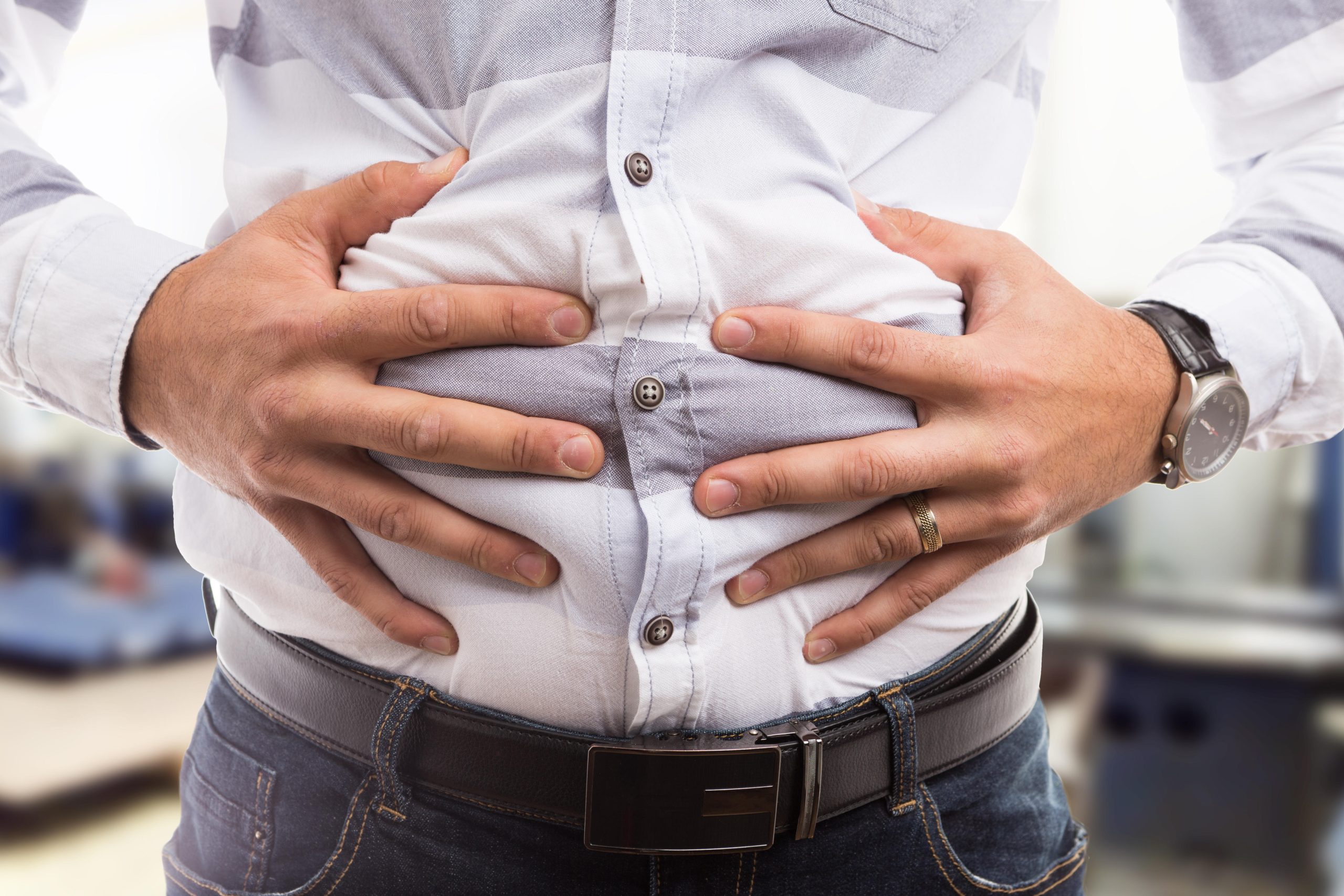
Have you ever finished a meal and felt your waistband tighten uncomfortably within an hour. Maybe you wondered if it was just a heavy lunch or something more serious hiding underneath. Many people describe feeling like a balloon, even when their stomach does not visibly swell. According to our editor’s research, bloating is one of the most frequent digestive concerns in clinics. Most of the time it relates to everyday digestion and diet choices. Sometimes, though, it can hint at conditions that deserve proper medical attention. Knowing the difference helps you react calmly instead of guessing.
What do we mean by bloating?
People use the word bloating for several different sensations. Some mean visible distension, when the abdomen actually looks bigger. Others refer to internal pressure or tightness, even without obvious swelling. Gas, fluid, and slow movement of food can all contribute. The intestines naturally produce gas as bacteria break down certain foods. Your brain interprets that gas and stretching as fullness or discomfort. According to our editor’s research, many healthy people experience some bloating after large or rich meals. In those cases, it usually settles within a few hours and does not disturb sleep or daily tasks.
How normal digestion can create temporary bloating
Your digestive system starts working the moment you begin eating. Food mixes with saliva, stomach acid, and digestive enzymes as it travels. Along the way, bacteria in the gut ferment certain carbohydrates and fibres. This fermentation produces gas, including hydrogen, methane, and carbon dioxide. Swallowed air during eating or talking adds to the mix. As a result of our editor’s reviews, mild bloating peaks after meals that are large, fatty, or high in fermentable carbs. Healthy intestines move gas along and out, often with a few burps or flatulence. When this pattern is regular and brief, it usually counts as normal.
Everyday triggers that can cause harmless bloating
Several daily habits can make normal bloating more noticeable. Eating quickly often means swallowing extra air with each bite. Talking while chewing can have the same effect over a long meal. Fizzy drinks and chewing gum also increase swallowed air. High salt intake encourages the body to hold more fluid, which can amplify fullness. Hormonal changes around menstruation often bring temporary bloating for many women. According to our editor’s research, these patterns are common and usually not dangerous. They often improve with small behaviour changes, like slowing down meals or reducing very fizzy drinks.
When bloating stays mostly in the “normal” zone
Normal bloating tends to follow a predictable rhythm. It appears after certain meals, settles within hours, and does not wake you from sleep. Your appetite stays stable, and your weight does not drop unexpectedly. Bowel movements remain regular for you, even if not daily. There is no blood in the stool, no persistent vomiting, and no fever. According to our editor’s research, many people worry more about the feeling than the actual risk. If symptoms are mild, short lasting, and clearly linked to food choices, serious disease is less likely. Still, recurring discomfort is always worth mentioning at routine checkups.
When bloating may signal something more serious
Some features move bloating out of the simple, everyday category. Unintentional weight loss without diet changes is an important warning sign. Persistent bloating that appears most days for weeks also deserves attention. Pain that is severe, worsening, or focused in one area raises concern. Blood in the stool, black tar like stool, or frequent vomiting are further alarms. If bloating appears with fever, night sweats, or strong fatigue, it should not be ignored. As a result of our editor’s reviews, many guidelines highlight these features as reasons to seek medical advice. They do not automatically mean something dangerous, but they do justify proper evaluation.
How irritable bowel syndrome relates to bloating
Irritable bowel syndrome, often shortened to IBS, is a common functional gut condition. People with IBS frequently report bloating, sometimes more bothersome than pain or stool changes. The intestines are not damaged, but they can be more sensitive to stretching and gas. Bowel habits may swing between constipation and diarrhea or stay mostly one way. Stress, certain foods, and hormonal shifts can all trigger flares. According to our editor’s research, IBS is diagnosed based on symptoms and by excluding other diseases. Bloating in IBS often improves with diet adjustments, stress management, and tailored medical support.
The role of diet patterns and gut bacteria
What and how you eat strongly shapes bloating patterns. Some carbohydrates are poorly absorbed in the small intestine and reach the colon intact. There, bacteria ferment them and release gas more quickly. These carbohydrates are often grouped as FODMAPs in specialist diets. Foods like onions, beans, some fruit, and certain sweeteners fall into this category. According to our editor’s research, controlled low FODMAP plans can reduce bloating for selected patients. They should be guided by professionals to avoid unnecessary restriction. As a result of our editor’s reviews, balanced diets still emphasise variety, fibre, and gradual changes. Sudden extreme shifts can upset gut bacteria and worsen discomfort.
Other conditions that can hide behind persistent bloating
Although diet is a big factor, it is not the whole story. Coeliac disease, an immune reaction to gluten, can cause bloating, diarrhea, and nutrient problems. Inflammatory bowel diseases like Crohn’s disease or ulcerative colitis may also bring bloating with pain and altered stools. Intolerances to lactose or fructose can create gas and cramps after specific foods. Less commonly, fluid buildup in the abdomen from liver, heart, or kidney conditions leads to distension. According to our editor’s research, doctors look at the full symptom picture, not bloating alone. Patterns across time, family history, and blood tests all guide the search for causes.
Why bloating can feel worse than scans or tests suggest
Many people feel that their abdomen looks huge, yet scans show only mild gas. This mismatch can be frustrating and even discouraging. Pain perception involves nerves in the gut, the spinal cord, and the brain. In some conditions, the gut becomes more sensitive, a process called visceral hypersensitivity. Small amounts of gas or stretching feel amplified and uncomfortable. Stress, anxiety, and past illness experiences can magnify these sensations. According to our editor’s research, this does not mean symptoms are imagined or fake. It simply means the nervous system is playing a stronger role in how bloating feels.
How lifestyle adjustments can ease everyday bloating
Simple changes sometimes bring surprising relief for otherwise healthy people. Eating more slowly gives the brain time to register fullness and reduces swallowed air. Smaller, more frequent meals can be easier to handle than very large ones. Reducing very fatty or heavily processed foods may decrease post meal heaviness. Walking gently after eating encourages gas movement through the intestines. Paying attention to which foods trigger more bloating helps shape choices without strict rules. As a result of our editor’s reviews, these low risk adjustments are often suggested before complex treatments. They support overall digestive comfort even when some bloating remains.
When bloating overlaps with gynecological issues
For people with ovaries, bloating can relate to hormonal cycles and pelvic conditions. Many experience predictable bloating before menstruation that settles afterward. However, bloating that is new, persistent, and paired with pelvic pain deserves attention. Changes in menstrual patterns, pain during intercourse, or feeling full quickly when eating also matter. According to our editor’s research, these features sometimes prompt gynecological assessment, including ultrasound. The aim is not to cause fear, but to avoid missing ovarian or uterine problems. Keeping a symptom diary across several cycles helps distinguish pattern from new change.
Talking to your doctor about bloating respectfully and clearly
Some people feel embarrassed bringing up gas and bowel patterns, even with doctors. Yet clear communication makes it easier to decide what is normal. You can describe when bloating started, how often it appears, and what seems to trigger it. Mention associated features like pain, stool changes, weight trends, and tiredness. According to our editor’s research, practical examples, such as clothing fitting differently by evening, are useful. They give clinicians a more vivid sense of how severe symptoms feel. Honest detail supports better decisions about tests, reassurance, or referrals.
Why self diagnosis and extreme diets can backfire
Online information can tempt people to label themselves quickly with serious conditions. It can also push extreme elimination diets without professional guidance. Cutting out major food groups may reduce bloating short term but cause nutrient gaps later. Over focusing on every small sensation can increase anxiety and gut awareness. As a result of our editor’s reviews, professionals often see patients after long periods of self restriction. Rebuilding varied diets then becomes another challenge alongside symptom control. Seeking balanced medical and dietetic advice earlier can prevent this complicated cycle.
Balancing normal body awareness with sensible caution
The main challenge with bloating is finding the middle ground. On one side lies ignoring important warning signs and delaying care. On the other side lies constant scanning of every mild sensation with rising fear. According to our editor’s research, public health messages now emphasise both reassurance and red flag awareness. Mild, short lived bloating linked clearly to food or hormones often fits normal patterns. Persistent, worsening, or heavily associated symptoms justify professional assessment. Learning these distinctions lets you respect your body without panicking at every shift.