
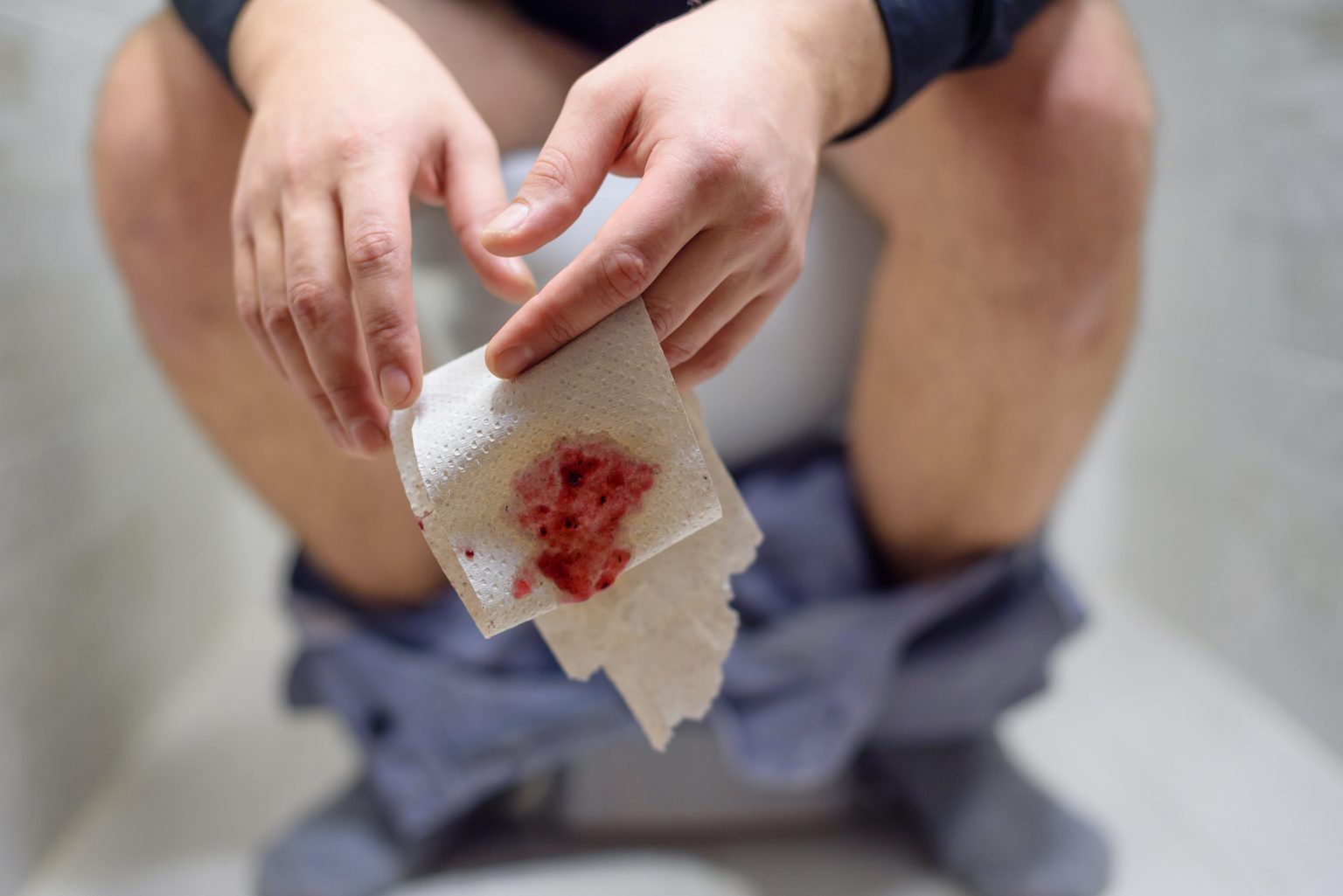
Have you ever noticed a small streak of blood and tried to convince yourself that it was nothing worth attention during a busy day? Many people face this moment and push it aside because the symptom feels embarrassing or inconvenient. According to our editor’s research, most individuals delay seeking help because they expect the issue to disappear. This hesitation increases risk because rectal bleeding often communicates more than people assume. The body rarely sends signals without reason, and recognizing them early creates safer patterns of care. Understanding the meaning behind this symptom can change the entire experience for the better.
Why does rectal bleeding matter?
Rectal bleeding matters because it reflects changes inside the digestive system. According to our editor’s reviews, the symptom appears when delicate tissue becomes irritated or damaged. This damage may involve small tears, swollen veins or deeper inflammation. People often underestimate the seriousness because the bleeding may look minimal. Even small amounts may indicate underlying issues. The location of bleeding determines its appearance. The color provides clues. These details help guide understanding. Awareness supports timely action.
What causes rectal bleeding most often?
Common causes include hemorrhoids and anal fissures. According to our editor’s research, hemorrhoids develop when veins swell from pressure. This pressure occurs during bowel movement or prolonged sitting. The bleeding appears bright red. Anal fissures involve small tears. These tears appear after hard stool. People feel sharp pain. These causes are common and treatable. However, bleeding may also signal inflammation. Conditions like colitis or diverticulitis create irritation. The symptoms overlap. Recognizing patterns enables clarity.
Why can bleeding signal deeper conditions?
Bleeding may reflect disease inside the colon. According to our editor’s reviews, polyps can bleed when irritated. Polyps represent tissue growths. Some remain harmless. Others change over time. Bleeding may also relate to inflammatory bowel disease. These conditions involve chronic inflammation. People feel recurring pain. Bleeding becomes part of the pattern. In rare cases, bleeding highlights early signs of cancer. Early recognition supports early diagnosis. Timely care protects long-term health.
How do people misinterpret early signs?
People misinterpret early signs because bleeding appears sporadic. According to our editor’s research, small streaks seem harmless at first glance. Busy routines encourage dismissal. Embarrassment leads to silence. People assume spicy food or stress caused the issue. These explanations delay proper evaluation. Pain may feel mild initially. Symptoms fluctuate. This inconsistency confuses people. Recognizing that inconsistency can still indicate problems supports safer thinking.
What symptoms accompany rectal bleeding?
Symptoms vary by cause. According to our editor’s reviews, hemorrhoids create itching and pressure. Fissures cause sharp pain during movement. Inflammation produces cramping. People may notice mucus. Bloating increases during flare episodes. Fatigue appears during prolonged bleeding. Change in stool patterns often coexists with bleeding. These clues collective guide understanding. Symptoms rarely occur alone. Each sign contributes to the story.
Why should changes in stool color raise concern?
Stool color reflects internal health. According to our editor’s research, bright red blood often appears near the rectum. Dark red may signal deeper bleeding. Black stool suggests blood exposed to digestive enzymes. This sign demands urgent evaluation. People often ignore color variation. Understanding the meaning behind color changes supports early care. Color becomes an important clue.
How do lifestyle habits contribute to bleeding?
Lifestyle habits influence digestive health. According to our editor’s reviews, low fiber diets create constipation. Constipation increases pressure during bowel movement. Hard stool causes tearing. Dehydration complicates stool texture. Sedentary routines increase vein pressure. Stress affects bowel rhythm. These habits create a cycle of strain. Adjusting them helps reduce bleeding episodes. Awareness encourages change.
What role does inflammation play in persistent bleeding?
Inflammation irritates lining tissue. According to our editor’s research, chronic irritation weakens blood vessels. Weak vessels bleed easily. Inflammatory conditions cause swelling. Swelling exposes fragile areas. Bleeding becomes recurrent. People notice blood during flare periods. Pain increases during activity. Treating inflammation reduces bleeding. Identifying triggers helps control flare patterns. Awareness builds stability.
How does age influence rectal bleeding risk?
Age increases certain risks. According to our editor’s reviews, diverticula form naturally over time. These pouches can bleed when irritated. Age also increases polyp formation. Polyps may remain unnoticed without screening. Tissue elasticity changes with age. This affects vascular integrity. Older adults experience more frequent bleeding. Monitoring becomes essential. Awareness grows with age.
Why do certain medications increase bleeding risk?
Medications impact tissue sensitivity. According to our editor’s research, blood thinners reduce clotting. This increases bleeding risk. Anti-inflammatory drugs irritate the lining. These drugs create small tears. People taking long-term medication require careful attention. Bleeding may appear unexpectedly. Monitoring medication effects becomes important. Adjustments support safety.
How do infections lead to rectal bleeding?
Infections irritate tissues. According to our editor’s reviews, bacterial or viral infections cause inflammation. This inflammation affects delicate mucosa. Bleeding appears when tissue breaks down. People experience fever. Cramps occur frequently. Stool becomes loose. Hydration declines during infection. Bleeding becomes one sign among many. Infection management reduces irritation.
What happens when bleeding becomes chronic?
Chronic bleeding affects overall health. According to our editor’s research, repeated blood loss reduces iron. Low iron causes fatigue. People feel tired after simple tasks. Skin appears pale. Breathlessness develops during daily activities. Chronic bleeding also weakens tissues. Pain patterns grow unpredictable. Early management prevents complications. Awareness protects future stability.
Why is ignoring rectal bleeding dangerous?
Ignoring bleeding allows conditions to progress. According to our editor’s reviews, polyps may grow silently. Inflammation may worsen. Tears may enlarge. Untreated bleeding may cause anemia. Severe cases create life altering complications. Bleeding rarely resolves without proper care. Early evaluation prevents escalation. Ignoring early signs increases long-term risk.
How is rectal bleeding evaluated?
Evaluation involves multiple steps. According to our editor’s research, clinicians examine the area physically. Blood tests reveal infection or anemia. Imaging clarifies internal structure. Endoscopy visualizes the colon directly. These steps identify the cause accurately. Evaluation guides treatment. People feel reassured after clear diagnosis. Accurate assessment builds confidence.
What treatments address minor causes?
Minor causes respond to simple measures. According to our editor’s reviews, warm baths reduce discomfort. Hydration softens stool. Fiber improves movement. Rest reduces swelling. Topical treatments calm irritation. Symptoms improve within days. Minor cases rarely require complex therapy. Early steps prevent recurrence. Habits support long-term comfort.
Why do severe cases need advanced care?
Severe cases involve deeper issues. According to our editor’s research, colitis requires medication. Abscesses need drainage. Polyps require removal. Severe inflammation demands specialized treatment. Surgery may become necessary in rare situations. Advanced care reduces complications. Monitoring ensures stability. Timely intervention supports recovery.
How does diet support healing?
Diet shapes digestive rhythm. According to our editor’s reviews, fiber softens stool. This reduces pressure. Hydration maintains texture. Balanced meals support bowel movement. Avoiding irritants helps tissues heal. Gentle choices promote comfort. Diet becomes part of care. Awareness creates ease.
Where should people begin when they notice bleeding?
People should begin with acknowledgment. According to our editor’s research, recognizing the symptom is the first step. Observing patterns provides clues. Seeking evaluation ensures safety. Early action prevents complications. These steps reduce anxiety. Understanding empowers people. Action leads to clarity.